The Growing Importance of Food Waste Recycling Across East Anglia
Food waste recycling is becoming an increasingly important part of waste management across East Anglia. As communities, businesses, and local authorities continue to focus on sustainability and environmental responsibility, diverting food waste away from landfill is playing a key role in creating a cleaner and greener future.
Every year, thousands of tonnes of food waste are generated by households, restaurants, cafés, schools, and businesses across the region. When food waste is disposed of with general rubbish and sent to landfill, it decomposes without oxygen and produces methane—a greenhouse gas significantly more harmful to the environment than carbon dioxide. By separating food waste and recycling it properly, communities can help reduce harmful emissions while supporting more sustainable waste management practices.
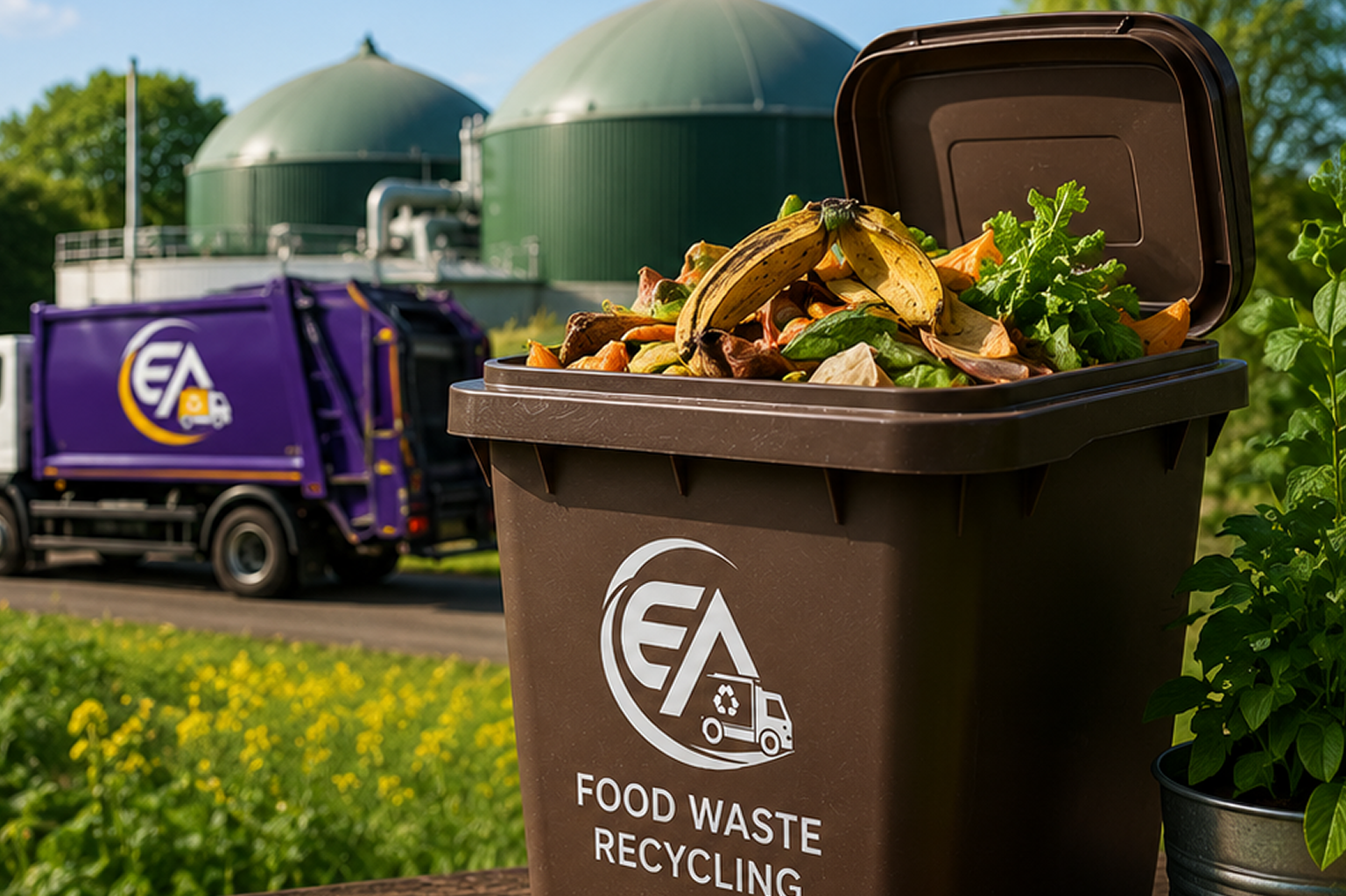
One of the greatest benefits of food waste recycling is its contribution to renewable energy generation. Food waste collected from homes and businesses can be processed through anaerobic digestion facilities, where it is converted into biogas and nutrient-rich fertiliser. The biogas produced can be used to generate electricity and heat, helping to reduce reliance on fossil fuels while supporting the UK's transition to cleaner energy sources.
Food waste recycling also helps local authorities and businesses improve recycling rates and meet environmental targets. With growing government emphasis on waste reduction and resource recovery, effective food waste recycling schemes are becoming an essential part of modern waste management strategies. Businesses that actively separate food waste can demonstrate their commitment to sustainability while often reducing disposal costs associated with general waste collections.
For households, food waste recycling provides a simple but meaningful way to contribute to environmental protection. Small actions such as using food waste caddies, reducing avoidable food waste, and separating organic materials from general rubbish can collectively make a significant difference across communities.
As East Anglia continues to grow, so does the need for responsible waste management solutions that protect the environment and support future generations. Food waste recycling is no longer simply an environmental initiative—it is an essential component of building cleaner, healthier, and more sustainable communities.
At Eastern Anglia Waste Management, we are committed to supporting households and businesses with responsible waste collection and recycling services that help reduce landfill waste, improve recycling rates, and contribute to a more sustainable East Anglia. Together, we can turn waste into a valuable resource and play our part in protecting the environment for years to come.